Price vs Quality: The Hidden Cost of Low-Priced Food
Price vs Quality: The Hidden Costs of Low-Priced Food
A joint study by Yuka and Harvard Law School’s Food Law and Policy Clinic
In this report, Yuka and Harvard Law School’s Food Law and Policy Clinic reveal a striking reality about how price shapes food composition in the United States, to the detriment of consumers. Drawing on an analysis of more than 800 food products sold nationwide across 12 of the most common processed food categories, including cereals, bread, and other everyday staples, the study examines how additives, sugar, and sodium vary across price ranges.
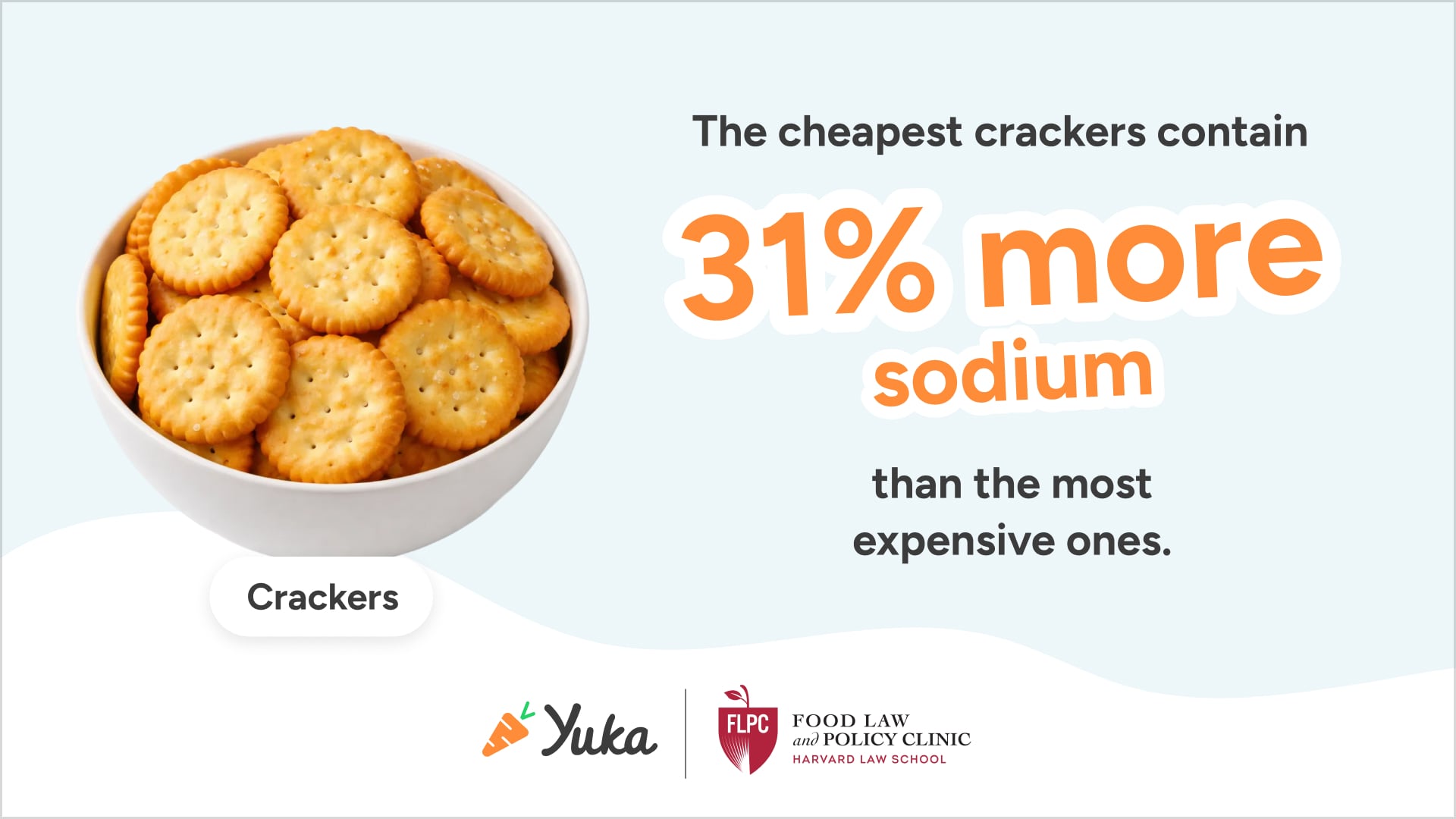
The findings are clear: lower-priced products contain significantly more additives, sugar, and salt, exposing a two-tier food system where access to healthier products is largely reserved for those who can afford them. This report combines robust data with policy recommendations to show how food policies shape what ends up on Americans’ plates and what must change to make healthy food the standard, not a privilege.
Key takeaways
 Cheaper Products Contain More Additives
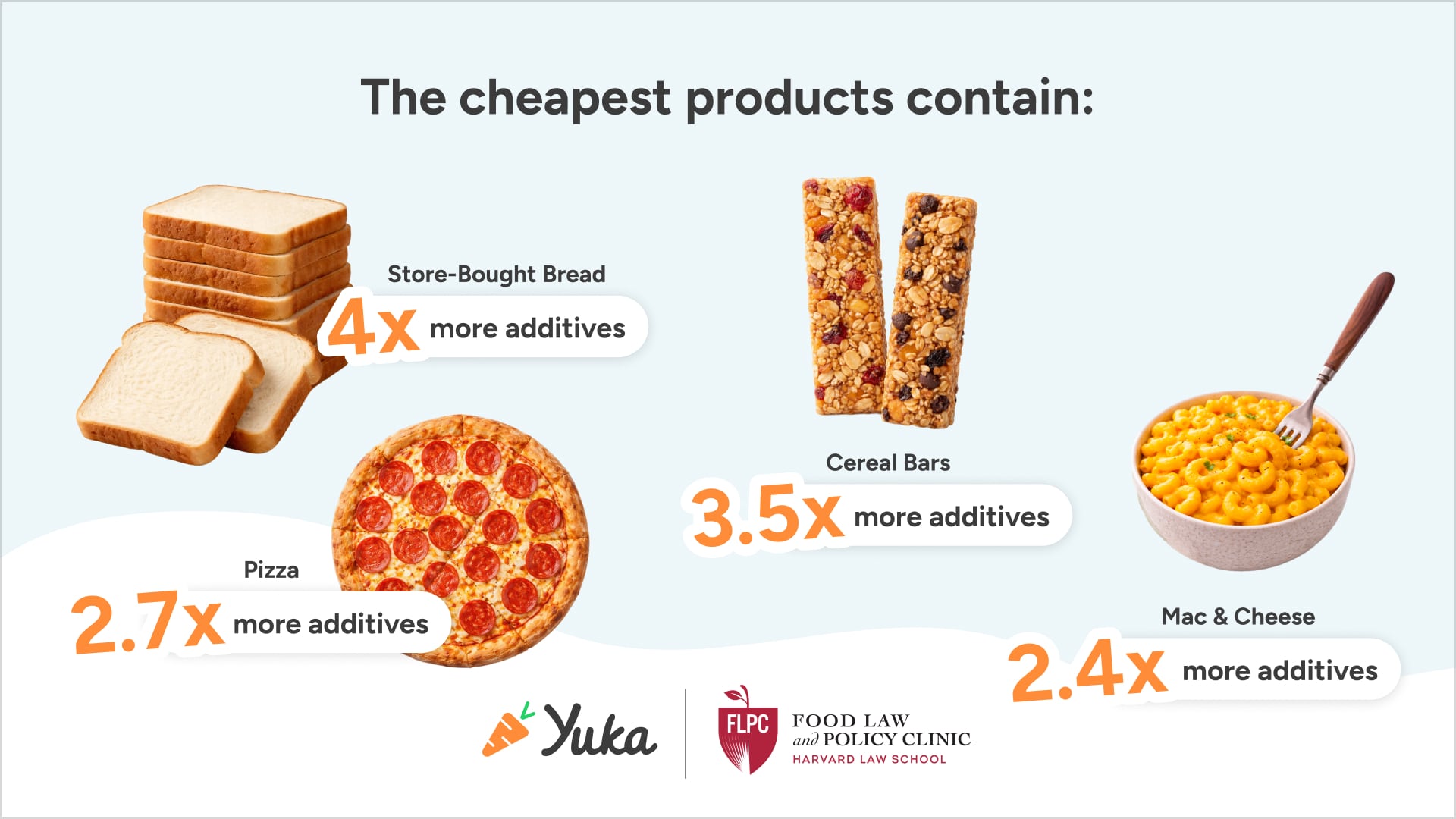
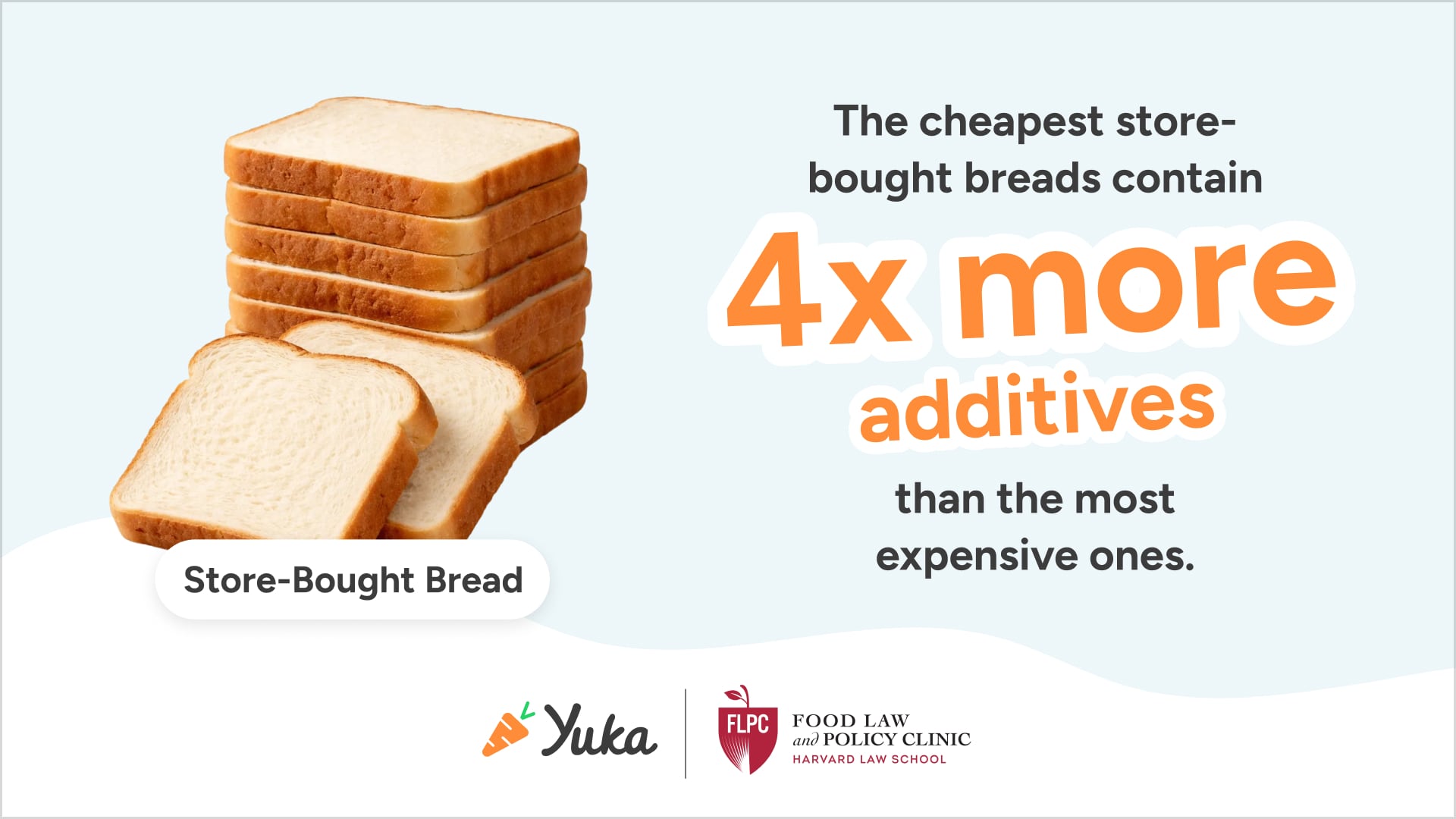
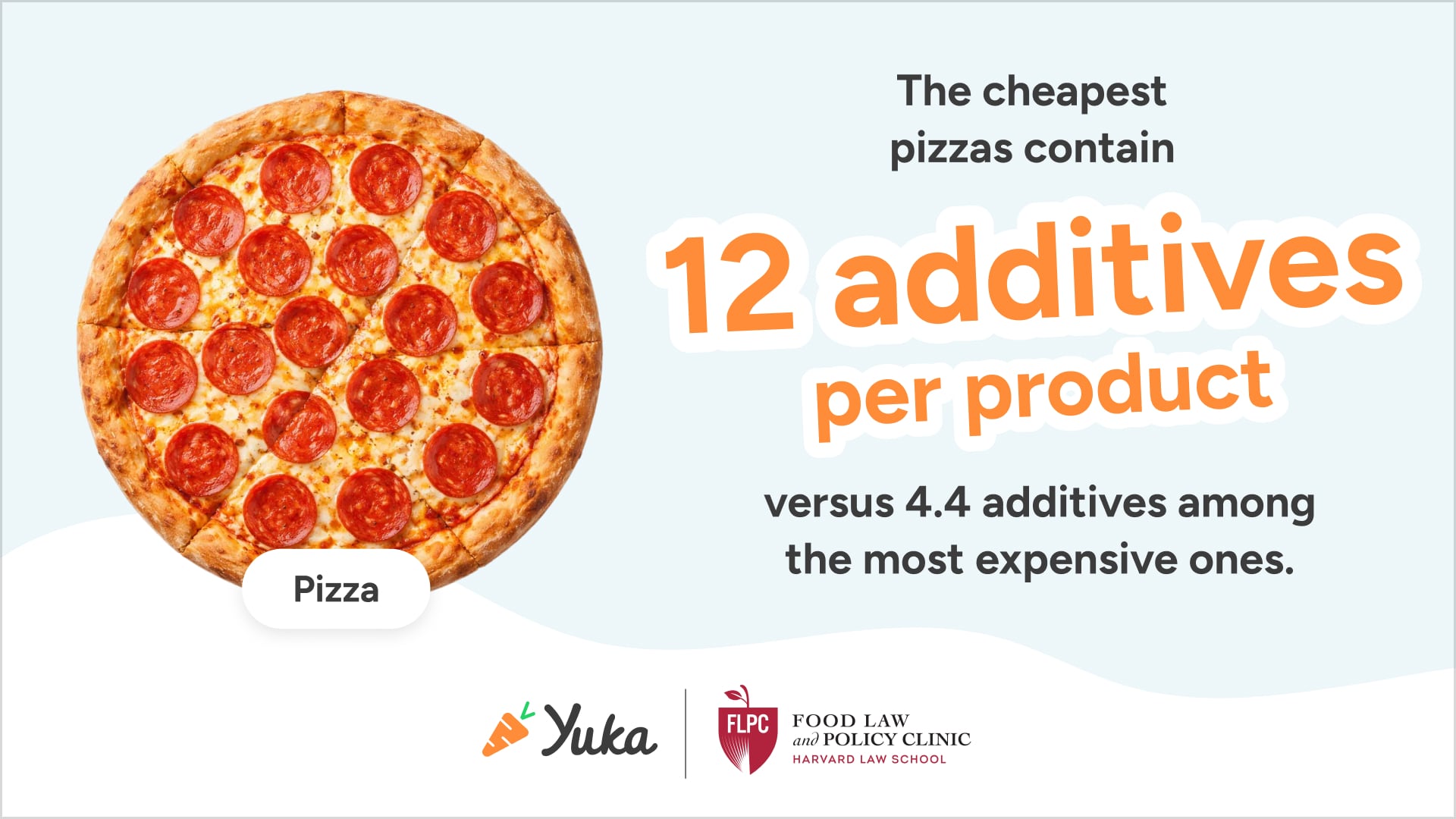
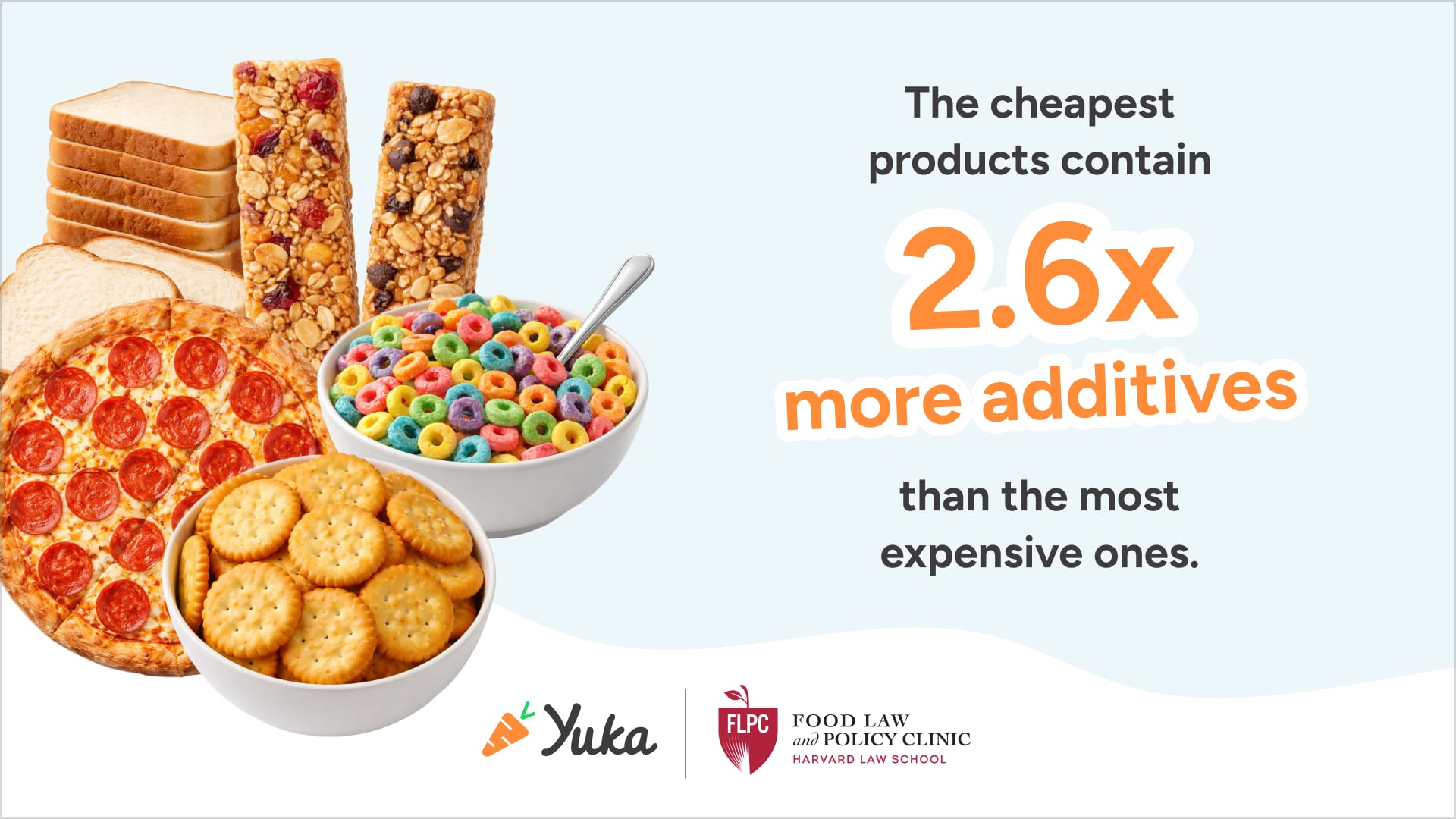
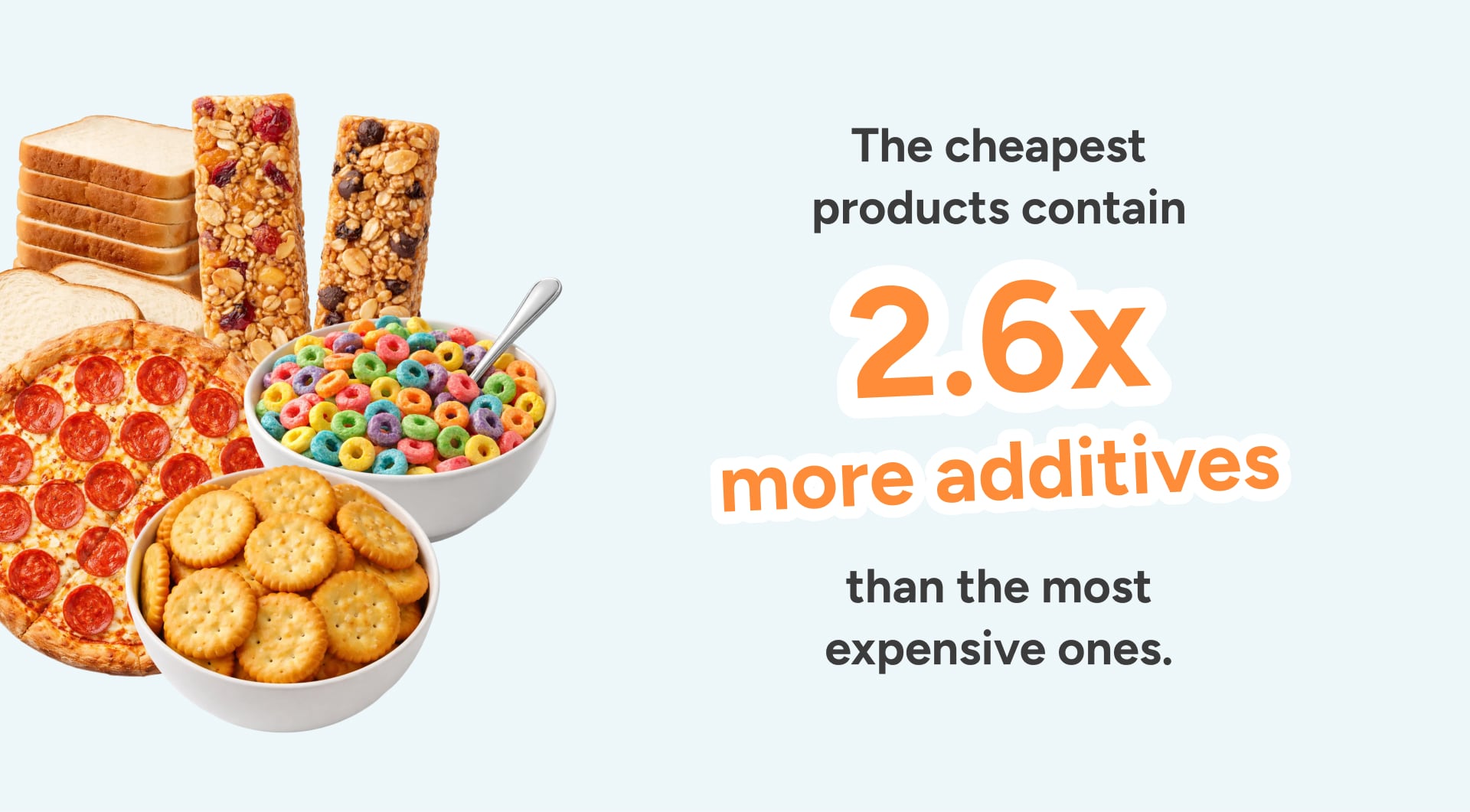
The cheapest products contain 2.6 times more additives than the most expensive ones.
Products Without High-Risk Additives Cost More
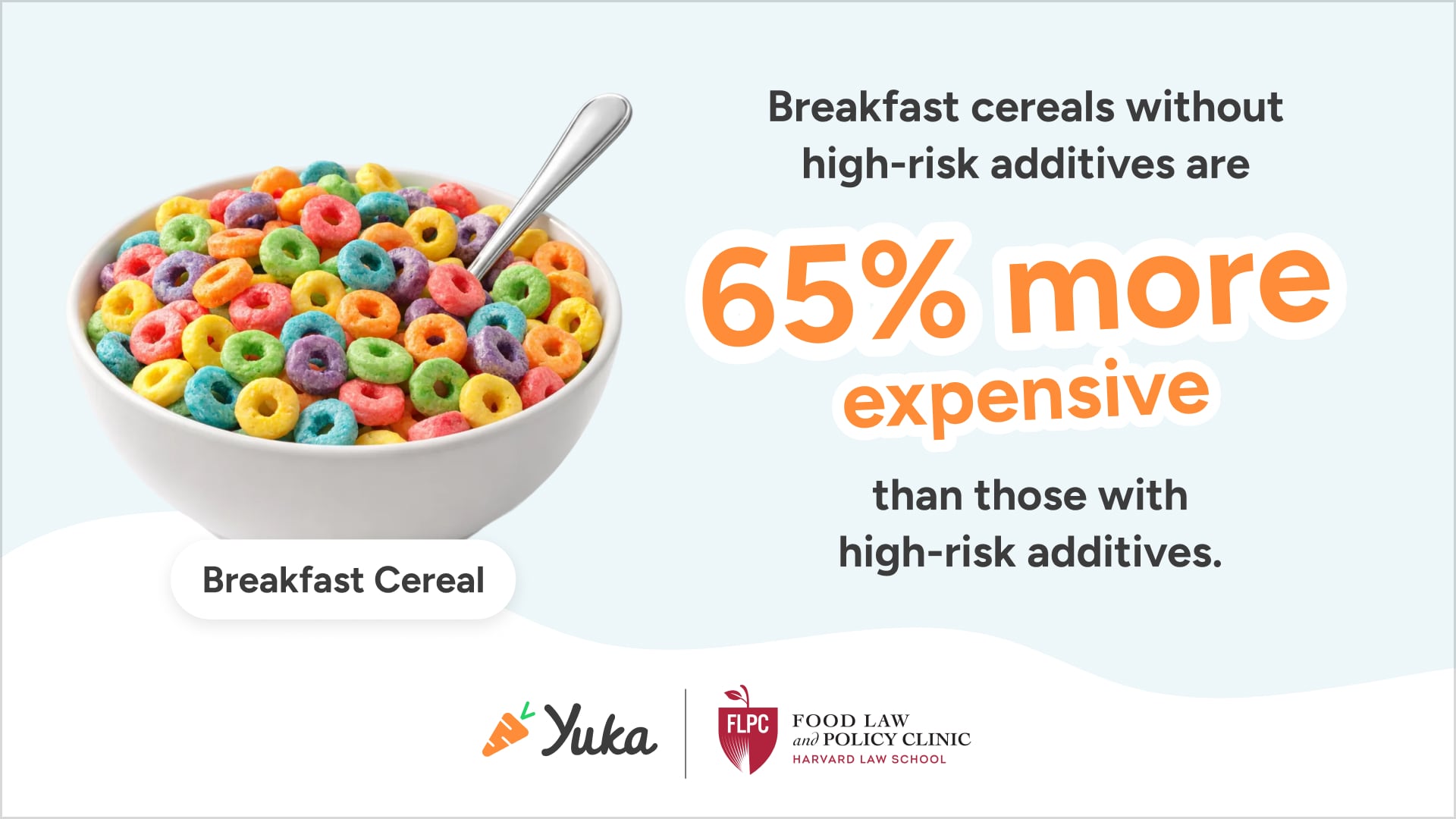
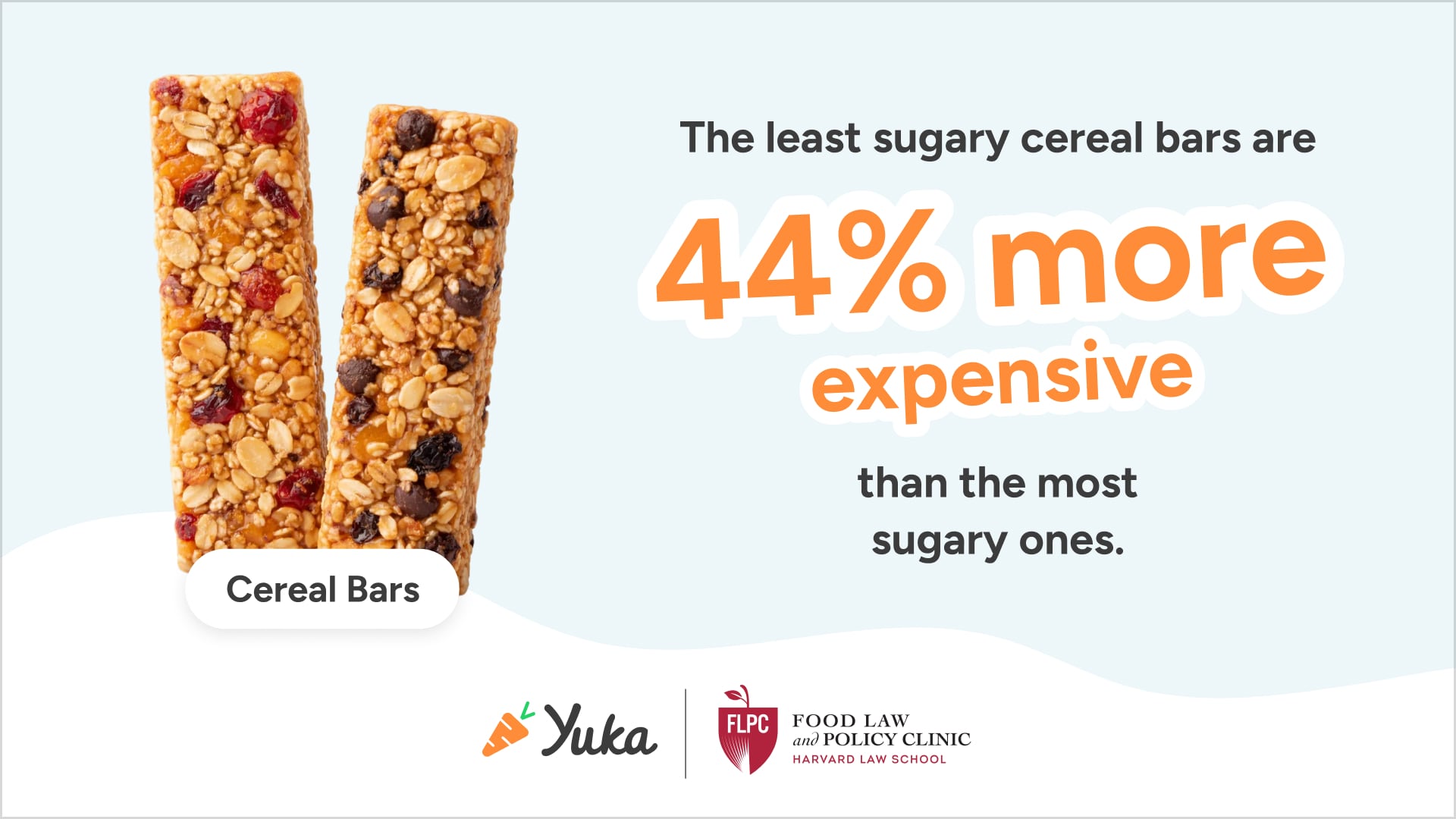
Products without high-risk additives are 64% more expensive than those with high-risk additives.
Cheaper Products Contain More Sugar
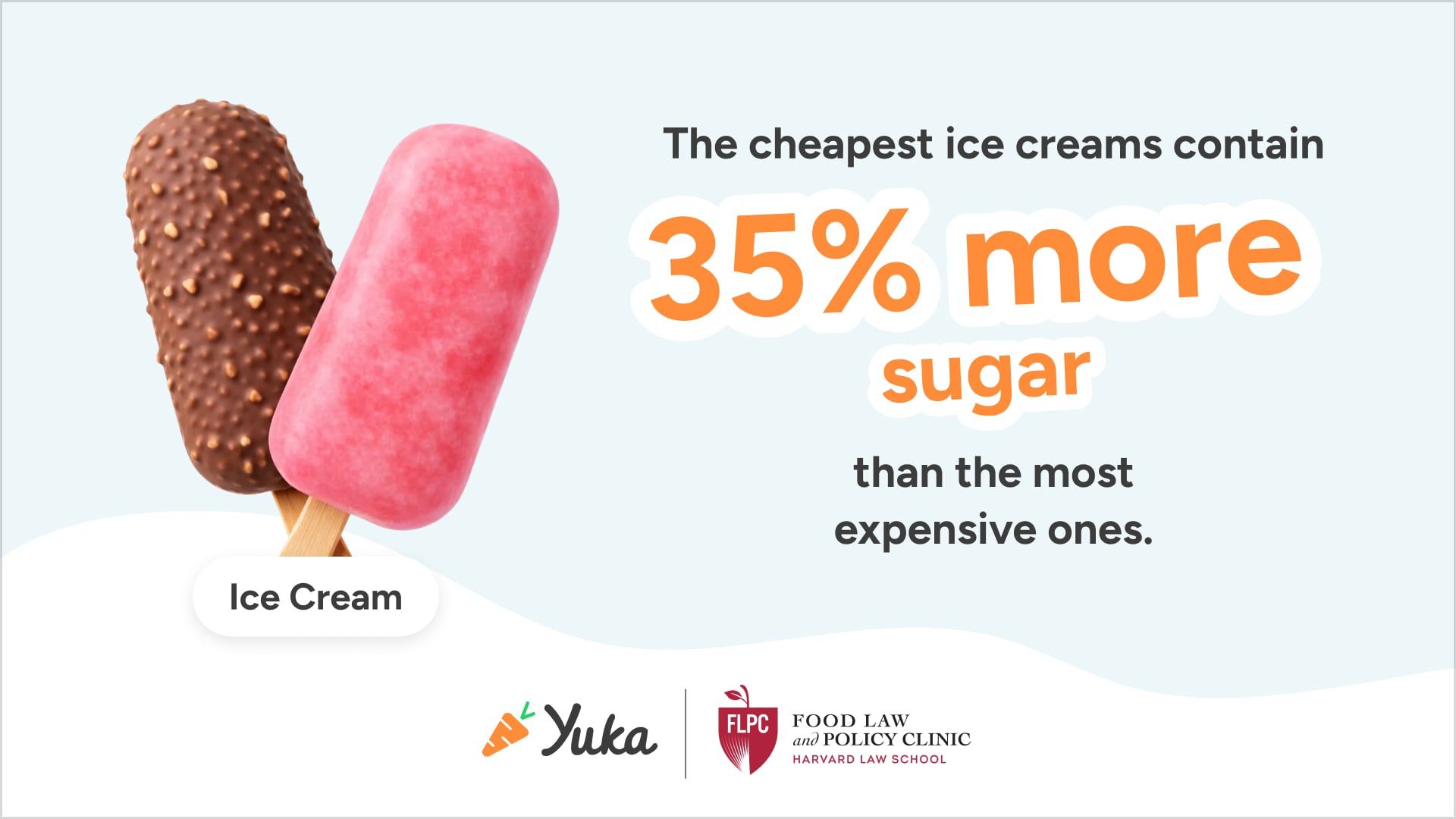
The cheapest products contain 21% more sugar than the most expensive ones.
Resources