



Why, despite the growing body of evidence, do ultra-processed foods still occupy such a dominant place in our societies? Far from being simply the result of poor individual choices, this situation is in fact the product of a system – economic, marketing, and political – structurally designed so that nothing changes.
A system dominated by a few giants that set the rules
Behind ultra-processed foods lies a small number of multinational corporations that largely dominate the global market. Eight companies – Nestlé, PepsiCo, Unilever, Coca-Cola, Danone, FEMSA, Mondelez, and Kraft Heinz – alone accounted for around 42% of a market estimated at $1.5 trillion in 2021. In other words, nearly half of the global market is controlled by just a few groups1.
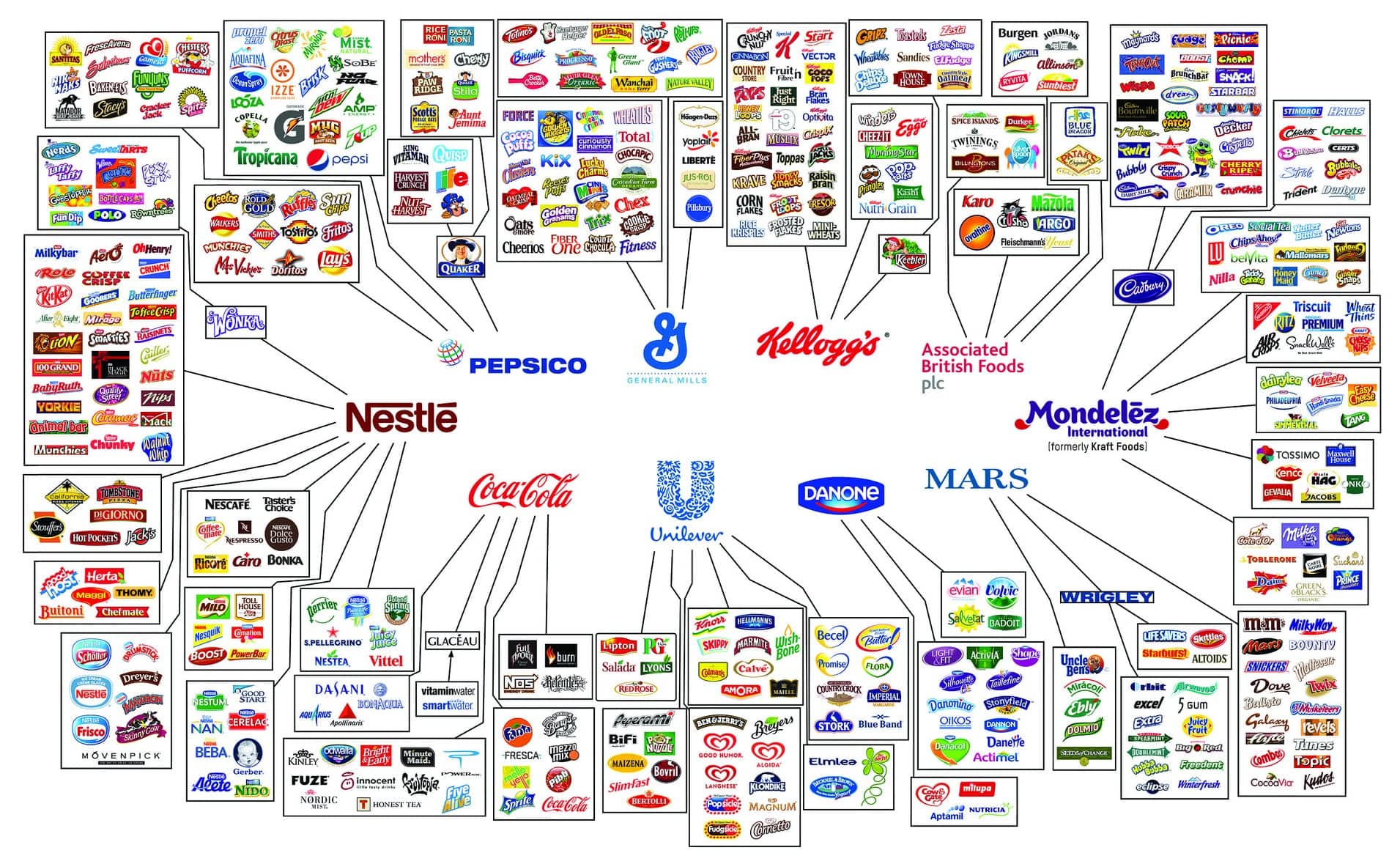
Such concentration gives them considerable economic power. When so few players carry such weight, they do not merely sell products: they can also influence the rules of the game2,3. This power is reflected in lobbying activities, ties with decision-making bodies, and the ability to slow down regulations perceived as unfavorable.
In the United Kingdom, for example, a 2024 investigation showed that some members of the scientific committee advising the government on nutrition had financial ties to major food companies4. Even the World Health Organization has faced pressure: the Sugar Association, the main lobby of sugar producers in the United States, threatened to involve the U.S. government to reduce its funding after the WHO highlighted the link between sugar consumption and chronic diseases5.
This power serves a clear objective: profitability. Most of these companies, such as Nestlé, PepsiCo, Coca-Cola, Unilever, Mondelez, and Danone, are publicly traded. They must therefore constantly meet shareholder expectations, with a central requirement: continuous profit growth6.
Ultra-processed foods emerge as an ideal model. They rely on low-cost ingredients, often derived from intensively farmed crops that are heavily subsidized, such as corn, soy, or sugar cane. Between 2022 and 2024, $126 billion in agricultural subsidies were allocated to sugar, corn, and rice, key components of these products7. A small number of inexpensive raw materials can then be transformed into products sold at much higher prices, thanks to industrial processes, flavorings, and additives. These products also offer decisive logistical advantages: long shelf life, ease of transport, and minimal waste. The result is controlled costs, very high volumes, and substantial margins8,9.
At a global level, ultra-processed foods hold a dominant position. They account for around half of the stock market value of the food industry: nearly $1.5 trillion in market capitalization is based on these products. This dominance is also reflected in shareholder returns: ultra-processed food companies distribute around 10% of their revenues to shareholders, compared with just 1.4% for companies selling unprocessed or minimally processed foods. This dynamic is long-standing: between 1982 and 2021, the amounts paid annually to shareholders by Coca-Cola and PepsiCo increased by more than 9- and 16-fold respectively6.
In this context, any shift toward healthier diets directly conflicts with financial market expectations. Reducing the share of ultra-processed foods would mean, for these companies, calling into question the most profitable products in their portfolios.
This tension is also visible in corporate governance. The dismissal of Emmanuel Faber, former CEO of Danone, in 2021 is a striking example. Faber had committed the group to a strategy placing greater emphasis on health, product quality, and sustainability. However, under pressure from certain investment funds, this direction was deemed incompatible with financial performance expectations. He was ultimately forced to step down10.

Ultra-processed foods are thus at the heart of an economic system that makes them particularly difficult to challenge.
Omnipresent marketing that shapes our behavior
To drive sales, ultra-processed food manufacturers do not simply respond to existing demand: they create it. Their marketing is omnipresent, massive, and increasingly sophisticated. It primarily targets the most vulnerable populations, especially children.
A UNICEF survey conducted in 171 countries shows that 3 out of 4 children were exposed to advertisements for soft drinks, snacks, and fast food in the previous week. This exposure is not neutral: 3 out of 5 young people say these advertisements make them want to consume the products they have just seen11.
Children are exposed to strategies designed to capture their attention and influence their preferences from a very early age. As their brains are still developing, they struggle to distinguish between entertainment and advertising12. As a result, they are particularly receptive to brand messaging. These strategies rely on two powerful levers:
- First, sensory stimulation. Ultra-processed foods are often very sweet, very fatty, or very salty. They train the brain to expect highly intense flavors, which gradually become the norm and shape long-term preferences. By comparison, simpler foods may then seem bland, to the point that some children begin to reject them13.
- Second, emotional attachment. Brands do not just sell a product, but an entire world. Mascots, bright colors, cartoon characters, collectible toys: everything is designed to create an emotional connection from an early age. This attachment is far from trivial: it aims to establish a lasting relationship with the brand. The earlier this connection with a brand is formed, the more likely it is to persist into adulthood, making it a powerful tool for long-term customer loyalty14,15.
This type of marketing fuels what experts call pester power: the ability of children to repeatedly request a product until their parents give in. Accustomed to these highly intense colors and flavors, and conditioned by these brand worlds, children develop an attraction that is difficult to control and begin demanding these products, sometimes with great insistence13.
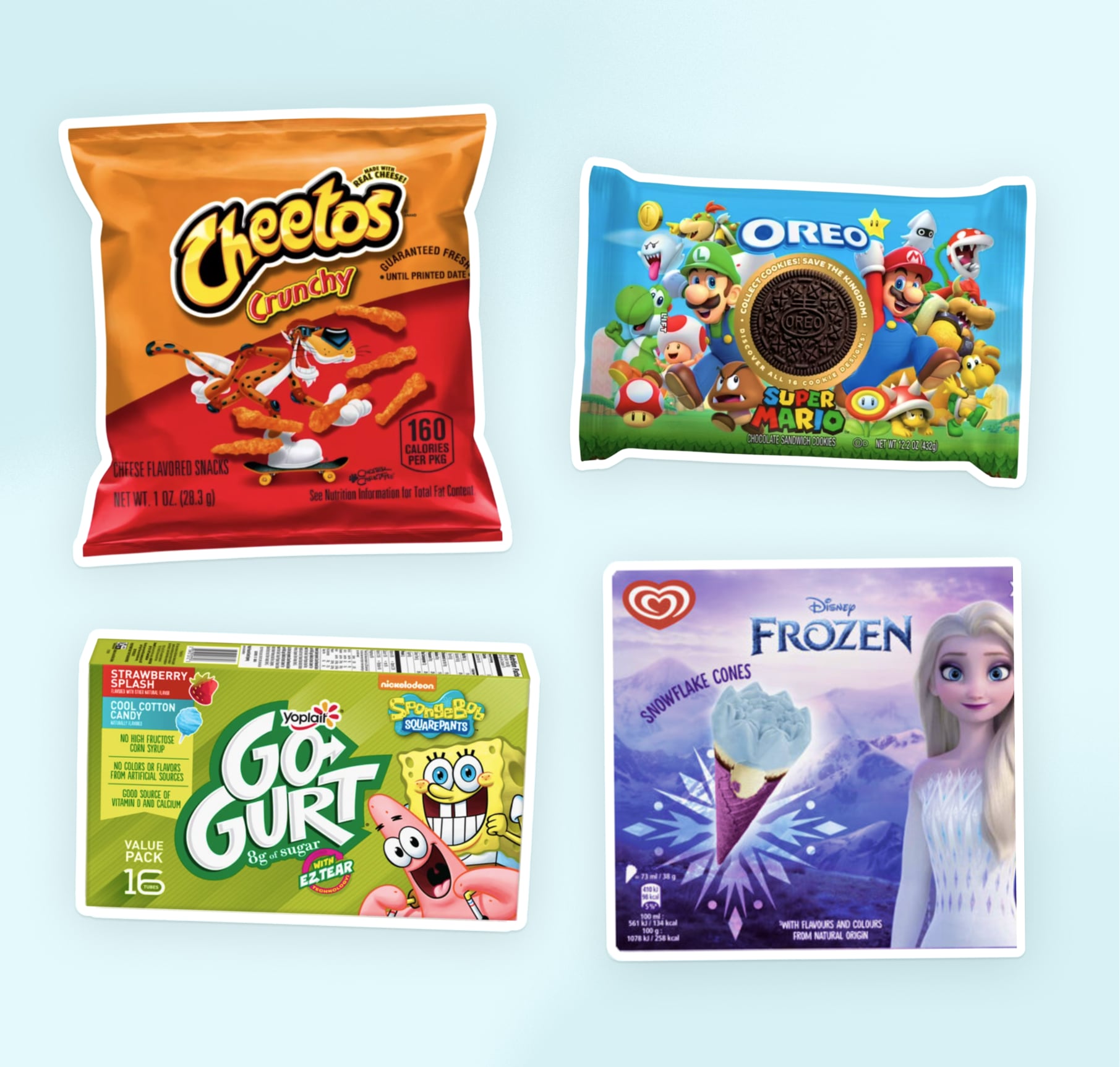
Today, these marketing strategies go far beyond traditional formats. They no longer rely solely on television or outdoor advertising, but extend across a wide range of platforms, particularly digital ones16.
On social media, brands use algorithms that analyze online behavior – videos watched, content liked, accounts followed – to target children and teenagers with highly personalized ads tailored perfectly to their preferences. Social media is now the leading source of exposure to food advertising among young people: 52% report having been exposed to it there, followed by websites (46%), television (43%), and out-of-home advertising (43%)12.
Advertising is also making its way directly into video games, becoming integrated into the experience in increasingly seamless ways. In the basketball game NBA 2K, for example, the Gatorade brand is integrated into the game itself: it appears on the bottles used by players during matches and in training facilities, where players can consume a Gatorade drink to recover energy.
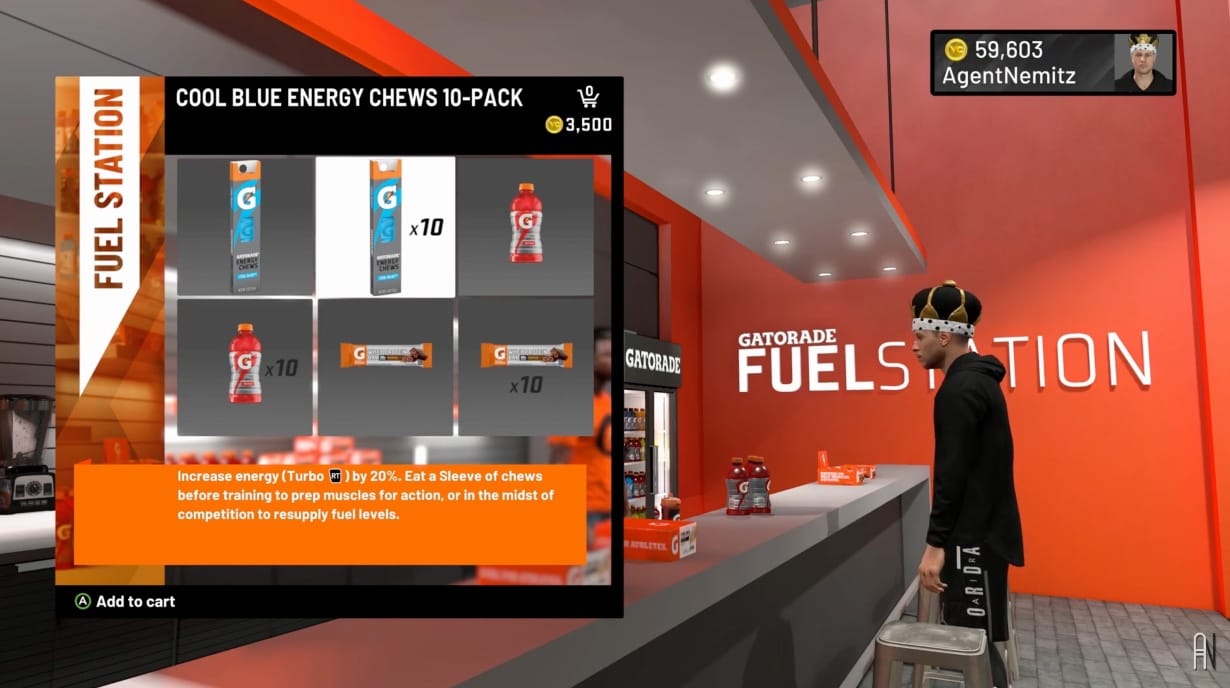
Some brands even go far beyond this type of highly sophisticated product placement, seeking to create a truly immersive experience around their product.
This is exactly what Monster Munch did in April 2023 with its “Crazy Galaxy Quest” campaign and its stated goal of “conquering teenagers.” The brand created an entire adventure dedicated to its new product, Monster Munch Crazy Tiles, directly integrated into Roblox and Minecraft, two video games that are extremely popular among teenagers17. On Roblox, the brand created “Crazy Land,” a fairground-themed world in which every attraction featured the brand’s mascots and visual identity. The campaign was simultaneously promoted on TikTok, Discord, and YouTube, amplified by gaming influencers followed by millions of young subscribers. The result: “the best snack innovation of the past three years,” according to Intersnack, the group that owns the Monster Munch brand. A commercial success built by deliberately targeting young people within their own gaming spaces, using an advertising message cleverly disguised as an adventure and blurring the line between advertising and entertainment.

Some researchers believe that these new forms of digital marketing are even more effective than traditional media, precisely because they are more difficult to identify as advertising18,19. One study, for example, showed that after playing advergames – online games like the Monster Munch game designed to promote a brand – children consume more snacks and fewer fruits and vegetable20-22.
To anchor their products in youth culture, brands also leverage another powerful tool: the sense of belonging, by associating themselves with celebrities admired by young audiences. In 2025, Coca-Cola signed a partnership with the K-pop group BTS, a global phenomenon followed by hundreds of millions of fans. In France, the Oasis brand collaborated in 2023 with rapper JuL to create a full-fledged promotional music project: a complete song, with a music video, set within the rapper’s universe. The video generated more than 10 million views on YouTube in one month, becoming the first “gold single” resulting from a brand partnership.

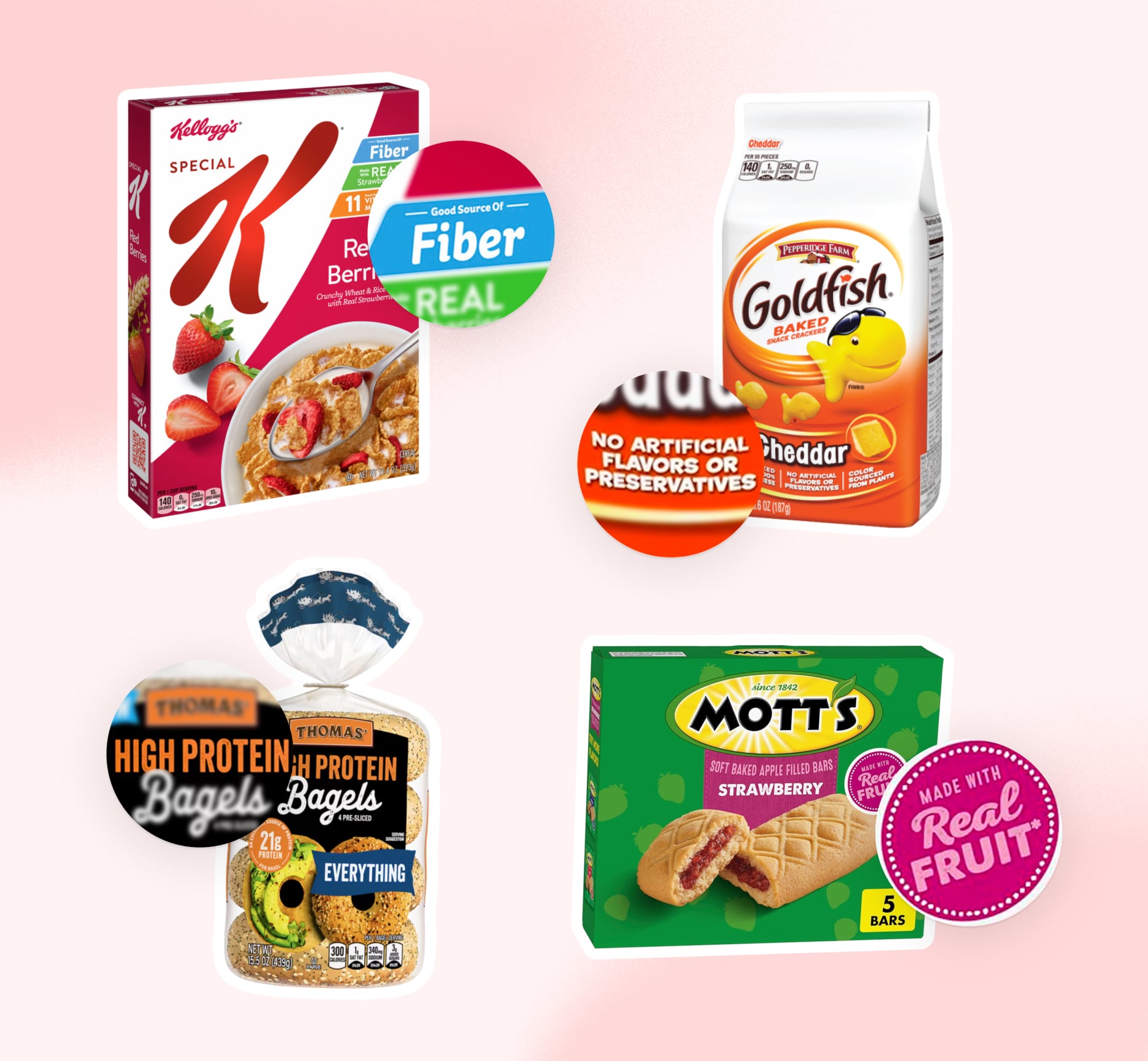
To target adults, the industry relies on other levers, such as reassuring claims displayed on packaging: “made with real fruit,” “no artificial flavors,” “high protein,” … These mentions create what is known as a “halo effect”: a single positive claim can alter the overall perception of a product, making it appear healthy as a whole, even if it is ultra-processed and of low nutritional quality. Consumers focus on the positive and are less likely to look further23-25.
Behind all these marketing strategies lie enormous budgets that far exceed the resources available to public health agencies. In 2024, Coca-Cola, PepsiCo, and Mondelez spent a combined $13.2 billion on advertising, four times the annual budget of the WHO1. When the promotion of ultra-processed foods has four times more resources than the global institution responsible for protecting public health, the scale of the imbalance becomes clear.
The manufacturing of doubt that fuels scientific confusion
As seen in the history of ultra-processed foods, some of these industries were acquired by tobacco giants in the 1980s and 1990s. They inherited not only financial resources, but also some of their methods.
The tobacco industry was in fact a pioneer in the art of manufacturing doubt, meaning deliberately creating scientific uncertainty around the harmful effects of tobacco. Faced with the first studies establishing a link between smoking and cancer in the 1950s, tobacco companies developed a particularly effective strategy: not to openly deny the facts, but to drown them in controversy. In 1954, they created the Tobacco Industry Research Committee (TIRC), a research organization presented to the public as independent, but in reality operated from the offices of the public relations firm Hill & Knowlton. Its mission was to fund carefully selected research designed to avoid establishing a link between tobacco and cancer. The TIRC thus financed studies on other possible causes of lung cancer – air pollution, stress, genetics – in order to dilute the responsibility of tobacco and maintain the idea that no definitive conclusion could be reached26-30.
Similarly, ultra-processed food manufacturers fund scientific studies that are favorable to their interests. A large meta-analysis of more than 200 studies found that research fully funded by the food industry is 4 to 8 times more likely to produce favorable conclusions than independent studies31. Researcher Marion Nestle observed a similar trend: among 76 industry-funded studies, 92% reported results favorable to the products studied32.
One emblematic example comes from the sugar industry. In the 1960s, a lobbying group representing sugar producers secretly funded Harvard researchers, who published studies in a leading medical journal downplaying the role of sugar in cardiovascular disease33,34. Instead, this research emphasized the dangers of saturated fats and cholesterol, helping to fuel for decades the major anti-fat narrative that dominated global nutritional recommendations, to the direct benefit of the sugar industry35. Internal documents proving this funding were not uncovered until 2016, more than fifty years later36.
At the same time, these companies seek to shift responsibility onto individuals: if people are unhealthy, it is because they lack willpower, make poor choices, or do not exercise enough. Coca-Cola, for instance, paid $1.5 million to scientists to promote the idea that childhood obesity was primarily linked to lack of physical activity rather than sugary drink consumption, a claim not supported by independent scientific literature. These payments were revealed in 2015 by The New York Times, triggering a major scandal37.
In the same way, Kraft Foods – one of the world’s largest manufacturers of ultra-processed foods, behind brands such as Kraft Mac & Cheese, Oreo, Lunchables, and Ritz – sought to shift responsibility onto consumers as early as the 2000s, when obesity was becoming a major public health issue. In its official communications, the company consistently attributed obesity to individual behaviors, pledging to “provide consumers with more information on healthy diet and lifestyle choices” without ever examining the role its own products might play in the problem38-40. The company even reversed its portion-reduction policy, claiming it was responding to consumer demand from people who wanted “more choice.” As a Kraft spokesperson explained, “Different people have different body sizes and activity levels, and it made more sense to provide different portion choices”41. This strategy also took the form of promoting “mindful snacking,” a concept encouraging consumers to eat these snack products in moderation and with mindfulness, thereby extending a narrative focused on individual behaviors rather than on the quality of the products themselves42,43.
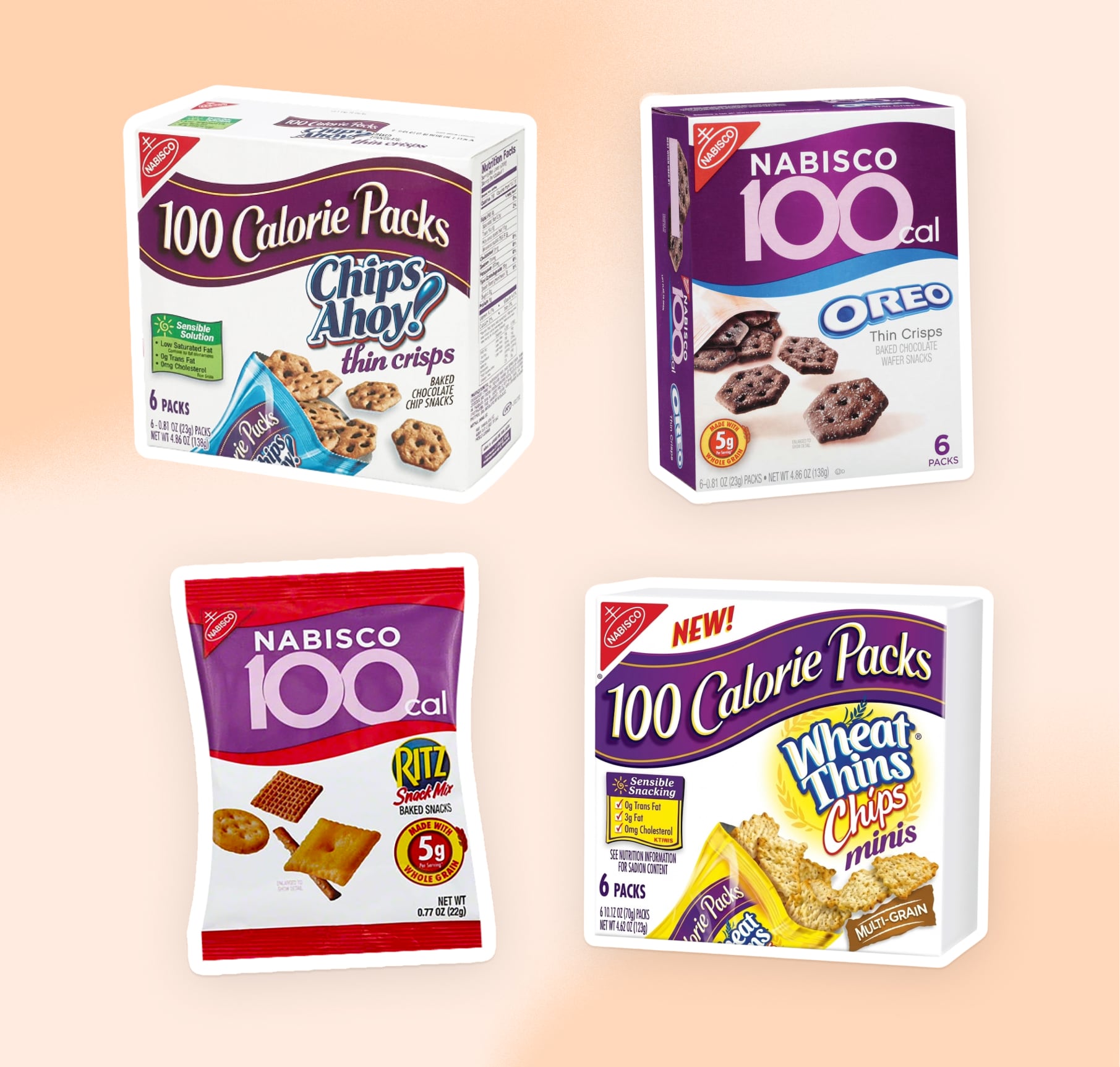
This narrative proved effective: studies show that the public spontaneously attributes responsibility for the obesity epidemic to individuals themselves rather than to the food environment, making it much more difficult to build public support for stricter regulation of the industry44,45.
A global expansion targeting the most vulnerable markets
In high-income countries, the share of ultra-processed foods tends to be stabilizing, driven by a combination of market saturation, the gradual tightening of regulations, and growing attention to public health issues9.
It is precisely this saturation in North America and Europe, from the 1980s onward, that pushed major multinationals to expand into low- and middle-income countries. Sales of ultra-processed foods in these regions increased by 40 to 60% between 2007 and 2022. This is now where the industry’s growth is concentrated.
Their strategy relies on three main levers: large-scale marketing campaigns, innovative distribution models to reach remote populations, and the acquisition of local companies. This accelerates what researchers call the “nutrition transition” meaning the gradual shift toward diets rich in ultra-processed foods at the expense of traditional diets.
The example of Brazil is particularly striking. In 2010, Nestlé launched the “Nestlé Até Você a Bordo” program, which can be translated as “Nestlé comes to you by boat”, a floating supermarket that delivered tens of thousands of cartons of powdered milk, chocolate puddings, and confectionery products to isolated communities deep in the Amazon basin. These populations traditionally relied on diets based on fish, fruits, and local vegetables. The boat operated once a week, offering its products at prices lower than those of the local market. Ivan Zurita, CEO of Nestlé Brazil, openly acknowledged the objective of the initiative: “We are going to pick up the customer where he is”46.

The consequences were rapid. Graciliano Silva Ramo, who managed the boat, later admitted to the BBC that it had been a mistake: “Children’s diets deteriorated significantly, and their health suffered. They no longer ate properly, which led to various illnesses such as stomach problems and tooth decay.” A school principal in the region also reported “an increase in childhood diabetes, obesity, and high cholesterol in children as young as seven.” Nestlé ultimately withdrew the boat from service in 2017, but other private boat operators have since taken over to meet the demand the program had created47,48.
Mexico offers another telling example. Coca-Cola developed a strategy there to establish itself in thousands of small neighborhood grocery stores – the “tiendas”, which are the main retail channel in rural and low-income areas. The company provided store owners with free refrigerators, an otherwise unaffordable investment, in exchange for exclusivity agreements. As a result, in some rural communities, Coca-Cola became more accessible than drinking water and was sold at a similar price. In the state of Chiapas, consumption reached 683 liters per person per year in 2019, nearly 2 liters per day, and diabetes became the second leading cause of death51-54.
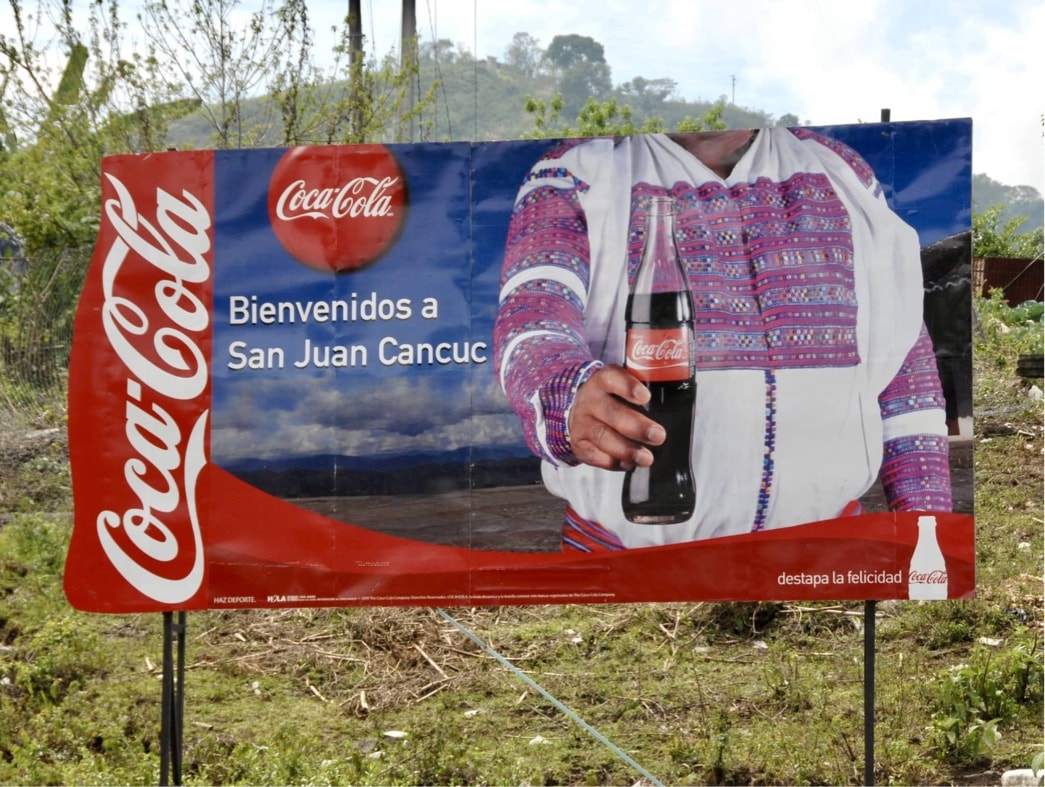
These examples illustrate a broader phenomenon that the World Health Organization describes as the “double burden of malnutrition.” Concretely, this means that the same country – and sometimes even the same household – can be simultaneously affected by two seemingly opposite forms of malnutrition: some people suffer from undernutrition and deficiencies, while others are overweight or obese. The massive arrival of ultra-processed foods does not solve the nutritional problem; it shifts it: where undernutrition once existed due to insufficient access to food, overweight and obesity are now taking hold55. According to the WHO, more than one third of low- and middle-income countries are facing these two extremes at the same time, with particularly alarming prevalence in sub-Saharan Africa, South Asia, as well as East Asia and the Pacific56,57.

- ¹ Baker, P., Slater, S., White, M., Wood, B., Contreras, A., Corvalán, C., Gupta, A., Hofman, K., Kruger, P., Laar, A., Lawrence, M., Mafuyeka, M., Mialon, M., Monteiro, C.A., Nanema, S., Phulkerd, S., Popkin, B.M., Serodio, P., Shats, K., van Tulleken, C., Nestle, M., and Barquera, S., 2025. Towards unified global action on ultra-processed foods: understanding commercial determinants, countering corporate power, and mobilising a public health response. The Lancet, 406(10520), pp. 2703–2726. https://doi.org/10.1016/S0140-6736(25)01567-3
- ² Collin, J., Plotnikova, E., and Hill, S., 2018. One unhealthy commodities industry? Understanding links across tobacco, alcohol and ultra-processed food manufacturers and their implications for tobacco control and the SDGs. Tobacco Induced Diseases, 16(1), 80. https://doi.org/10.18332/tid/83806
- ³ Stuckler, D. and Nestle, M., 2012. Big food, food systems, and global health. PLOS Medicine, 9(6), e1001242. https://doi.org/10.1371/journal.pmed.1001242
- ⁴ Borland, S., 2024. UK government’s nutrition advisers are paid by world’s largest food companies, BMJ analysis reveals. BMJ, 386:q1909. https://doi.org/10.1136/bmj.q1909
- ⁵ Boseley, S., 2003. Political context of the World Health Organization: sugar industry threatens to scupper the WHO. International Journal of Health Services, 33(4), pp. 831–833. https://doi.org/10.2190/U0MW-WM82-N5BH-E20C
- ⁶ Wood, B., Robinson, E., Baker, P., Paraje, G., Mialon, M., van Tulleken, C., and Sacks, G., 2023. What is the purpose of ultra-processed food? An exploratory analysis of the financialisation of ultra-processed food corporations and implications for public health. Global Health, 19(1), 85. https://doi.org/10.1186/s12992-023-00990-1
- ⁷ OECD, 2025. Agricultural Policy Monitoring and Evaluation 2025. https://www.oecd.org/content/dam/oecd/en/publications/reports/2025/10/agricultural-policy-monitoring-and-evaluation-2025_354e7040/a80ac398-en.pdf
- ⁸ Food and Agriculture Organization of the United Nations (FAO), 2019. Ultra-processed foods, diet quality, and health using the NOVA classification system. https://openknowledge.fao.org/server/api/core/bitstreams/5277b379-0acb-4d97-a6a3-602774104629/content
- ⁹ Monteiro, C.A., Louzada, M.L., Steele-Martinez, E., Cannon, G., Andrade, G.C., Baker, P., Bes-Rastrollo, M., Bonaccio, M., Gearhardt, A.N., Khandpur, N., Kolby, M., Levy, R.B., Machado, P.P., Moubarac, J.C., Rezende, L.F.M., Rivera, J.A., Scrinis, G., Srour, B., Swinburn, B., and Touvier, M., 2025. Ultra-processed foods and human health: the main thesis and the evidence. The Lancet, 406(10520), pp. 2667–2684. https://doi.org/10.1016/S0140-6736(25)01565-X
- ¹⁰ UNICEF, 2026. The Response: Laws regulating unhealthy food marketing are an effective, evidence-based intervention. https://knowledge.unicef.org/child-nutrition-and-development/protecting-children-unhealthy-food-marketing-toolkit-03-response
- ¹¹ United Nations Children’s Fund (UNICEF), 2025. Feeding Profit. How food environments are failing children. Child Nutrition Report 2025. New York: UNICEF.
- ¹² UNICEF, 2025. Ultra-processed Foods and Children: State-of-the-art review. https://knowledge.unicef.org/child-nutrition-and-development/resource/ultra-processed-foods-and-children-state-art-review
- ¹³ European Union, 2024. Research report: Manipulative digital marketing practices targeted at children and youth online. https://euneighbourseast.eu/wp-content/uploads/2025/01/adwiseonline_research-report_manipulative-digital-marketing-practices-targeted-at-children-and-youth.pdf
- ¹⁴ Connell, P.M., Brucks, M., and Nielsen, J.H., 2014. How Childhood Advertising Exposure Can Create Biased Product Evaluations That Persist into Adulthood. Journal of Consumer Research, 41(1), pp. 119–134. https://doi.org/10.1086/675218
- ¹⁵ San Francisco, State of California, 2025. Complaint for: violation of California unfair competition law and public nuisance. https://sfcityattorney.org/wp-content/uploads/2025/12/CCSF-UPF-Complaint-2025.12.02.pdf
- ¹⁶ Bragg, M.A., Albert, S.L., Cassidy, O.L., Powell, L.M., and Rummo, P.E., 2025. National Trends in Social Media Food Marketing Expenditures: 2020–2021. AJPM Focus, 5(1), 100440. https://doi.org/10.1016/j.focus.2025.100440
- ¹⁷ Foodwatch, n.d. Les enfants, cibles du marketing de la malbouffe: l’heure de l’action politique. https://www.foodwatch.org/fileadmin/-FR/Documents/Foodwatch_Publication_rapport_malbouffe_pub-enfants_23_09_12_VF.pdf
- ¹⁸ Smith, S., n.d. Exploring Children’s Advertising Literacy in the Contemporary Media Environment. https://etheses.whiterose.ac.uk/id/eprint/36170/2/Jan25Smith_Sheli_190209166_Corrected.pdf
- ¹⁹ Santé publique France, 2020. Exposition des enfants et des adolescents à la publicité pour des produits gras, sucrés, salés. https://www.santepubliquefrance.fr/determinants-de-sante/nutrition-et-activite-physique/documents/rapport-synthese/exposition-des-enfants-et-des-adolescents-a-la-publicite-pour-des-produits-gras-sucres-sales
- ²⁰ Lee, M., Choi, Y., Quilliam, E.T., and Cole, R.T., 2009. Playing With Food: Content Analysis of Food Advergames. Journal of Consumer Affairs, 43, pp. 129–154. https://doi.org/10.1111/j.1745-6606.2008.01130.x
- ²¹ Folkvord, F. and van ’t Riet, J., 2018. The persuasive effect of advergames promoting unhealthy foods among children: A meta-analysis. Appetite, 129, pp. 245–251. https://doi.org/10.1016/j.appet.2018.07.020
- ²² Harris, J.L., Speers, S.E., Schwartz, M.B., and Brownell, K.D., 2012. US Food Company Branded Advergames on the Internet: Children’s exposure and effects on snack consumption. Journal of Children and Media, 6, pp. 51–68.
- ²³ Mediano Stoltze, F., Busey, E., Taillie, L.S., and Dillman Carpentier, F.R., 2021. Impact of warning labels on reducing health halo effects of nutrient content claims on breakfast cereal packages: A mixed-measures experiment. Appetite, 163, 105229. https://doi.org/10.1016/j.appet.2021.105229
- ²⁴ Prates, S.M.S., Reis, I.A., Rojas, C.F.U., Spinillo, C.G., and Anastácio, L.R., 2022. Influence of nutrition claims on different models of front-of-package nutritional labeling in supposedly healthy foods: Impact on the understanding of nutritional information, healthfulness perception, and purchase intention of Brazilian consumers. Frontiers in Nutrition, 9, 921065. https://doi.org/10.3389/fnut.2022.921065
- ²⁵ Talati, Z., Pettigrew, S., Dixon, H., Neal, B., Ball, K., and Hughes, C., 2016. Do Health Claims and Front-of-Pack Labels Lead to a Positivity Bias in Unhealthy Foods? Nutrients, 8(12), 787. https://doi.org/10.3390/nu8120787
- ²⁶ Oreskes, Naomi, 2010. Merchants of Doubt: How a handful of scientists obscured the truth on issues from tobacco smoke to global warming. https://sciencepolicy.colorado.edu/students/envs_4800/oreskes_2010.pdf?ref=technologist.mit.edu
- ²⁷ University of Bath, 2020. Tobacco Industry Research Committee. https://www.tobaccotactics.org/article/tobacco-industry-research-committee/
- ²⁸ Glantz, S.A., Slade, J., Bero, L.A., Hanauer, P., and Barnes, D.E., 1998. The Cigarette Papers. https://publishing.cdlib.org/ucpressebooks/view?docId=ft8489p25j;brand=eschol
- ²⁹ Reed, G., Hendlin, Y., Desikan, A., MacKinney, T., Berman, E., and Goldman, G.T., 2021. The disinformation playbook: how industry manipulates the science-policy process — and how to restore scientific integrity. Journal of Public Health Policy, 42(4), pp. 622–634. https://doi.org/10.1057/s41271-021-00318-6
- ³⁰ Coraiola, D.M. and Derry, R., 2020. Remembering to Forget: The Historic Irresponsibility of U.S. Big Tobacco. Journal of Business Ethics, 166, pp. 233–252. https://doi.org/10.1007/s10551-019-04323-4
- ³¹ Moodie, R., Stuckler, D., Monteiro, C., Sheron, N., Neal, B., Thamarangsi, T., Lincoln, P., and Casswell, S., 2013. Profits and pandemics: prevention of harmful effects of tobacco, alcohol, and ultra-processed food and drink industries. The Lancet, 381(9867), pp. 670–679. https://doi.org/10.1016/S0140-6736(12)62089-3
- ³² Nestle, M., 2016. Corporate Funding of Food and Nutrition Research: Science or Marketing? JAMA Internal Medicine, 176(1), pp. 13–14. https://doi.org/10.1001/jamainternmed.2015.6667
- ³³ Hegsted, D.M., McGandy, R.B., Myers, M.L., and Stare, F.J., 1965. Quantitative effects of dietary fat on serum cholesterol in man. American Journal of Clinical Nutrition, 17(5), pp. 281–295. https://doi.org/10.1093/ajcn/17.5.281
- ³⁴ McGandy, R.B., Hegsted, D.M., and Stare, F.J., 1967. Dietary fats, carbohydrates and atherosclerotic vascular disease. New England Journal of Medicine, 277(5), pp. 242–247. https://doi.org/10.1056/NEJM196708032770505
- ³⁵ American Heart Association, 1961. Dietary fat and its relation to heart attacks and strokes. Report by the Central Committee for Medical and Community Program of the American Heart Association. JAMA, 175, pp. 389–391.
- ³⁶ Kearns, C.E., Schmidt, L.A., and Glantz, S.A., 2016. Sugar Industry and Coronary Heart Disease Research: A Historical Analysis of Internal Industry Documents. JAMA Internal Medicine, 176(11), pp. 1680–1685. https://doi.org/10.1001/jamainternmed.2016.5394
- ³⁷ The New York Times, 2015. Coca-Cola Funds Scientists Who Shift Blame for Obesity Away From Bad Diets. https://archive.nytimes.com/well.blogs.nytimes.com/2015/08/09/coca-cola-funds-scientists-who-shift-blame-for-obesity-away-from-bad-diets/
- ³⁸ Karnani, A.G., McFerran, B., and Mukhopadhyay, A., 2014. Leanwashing: A Hidden Factor in the Obesity Crisis. California Management Review, 56, pp. 30–50.
- ³⁹ Kraft Foods, 2003. Green Paper on Healthy Diets and Physical Activity — Submission to the European Commission. https://ec.europa.eu/health/ph_determinants/life_style/nutrition/green_paper/nutritiongp_co121_en.pdf
- ⁴⁰ Darmon, K., Fitzpatrick, K.R., and Bronstein, C., 2008. Krafting the obesity message: A case study in framing and issues management. Public Relations Review, 34(4), pp. 373–379. https://doi.org/10.1016/J.PUBREV.2008.07.002
- ⁴¹ Progressive Grocer, 2004. Kraft Backs Off on Plan to Reduce Package Sizes. https://progressivegrocer.com/kraft-backs-plan-reduce-package-sizes
- ⁴² Mondelez, n.d. Transforming snacking into a mindful experience. Accessed May 2026. https://www.health-pro.snackmindful.com/
- ⁴³ World Health Organization Regional Office for Europe, 2024. Commercial Determinants of Noncommunicable Diseases in the WHO European Region. https://www.who.int/europe/publications/i/item/9789289061162
- ⁴⁴ Gendall, P., Hoek, J., Taylor, R., Mann, J., Krebs, J., and Parry-Strong, A., 2015. Should support for obesity interventions or perceptions of their perceived effectiveness shape policy? Australian and New Zealand Journal of Public Health, 39(2), pp. 172–176. https://doi.org/10.1111/1753-6405.12319
- ⁴⁵ Barry, C.L., Brescoll, V.L., and Gollust, S.E., 2013. Framing Childhood Obesity Prevention Policies. Political Psychology, 34, pp. 327–349. https://doi.org/10.1111/pops.12018
- ⁴⁶ Nestlé, 2010. Nestlé launches first floating supermarket in the Brazilian north region. Press release. https://www.nestle.com/sites/default/files/asset-library/documents/media/press-release/2010-february/nestl%C3%A9%20brazil%20press%20release%20-%20a%20bordo.pdf
- ⁴⁷ BBC, 2021. What Are We Feeding Our Kids? https://www.primevideo.com/detail/What-Are-We-Feeding-Our-Kids/0RRBWD07QPA9JEJZWYQ2E74D1K
- ⁴⁸ The New York Times, 2017. How Big Business Got Brazil Hooked on Junk Food. https://www.nytimes.com/interactive/2017/09/16/health/brazil-obesity-nestle.html
- ⁴⁹ Hawkes, C., 2006. Uneven dietary development: linking the policies and processes of globalization with the nutrition transition, obesity and diet-related chronic diseases. Global Health, 2, 4. https://doi.org/10.1186/1744-8603-2-4
- ⁵⁰ Olsen, T.B., 2010. Big Cola v. Coca-Cola: How A Convenient Store Owner’s Complaint Resulted in One of Mexico’s Largest Antitrust Fines. University of Miami Inter-American Law Review, 42(1), pp. 87–114. http://www.jstor.org/stable/41307710
- ⁵¹ Yeung, Peter, 2025. Forgotten: How one Mexican city struggles against big industry for water. Al Jazeera. https://www.aljazeera.com/news/longform/2025/1/8/forgotten-how-one-mexican-city-struggles-against-big-industry-for-water
- ⁵² Page-Pliego, Jaime Tomás, 2013. Refresco y diabetes entre los mayas de Tenejapa, San Cristóbal de Las Casas y Chamula, Chiapas. LiminaR, 11(1), pp. 118–133.
- ⁵³ Pliego, J.T.P., n.d. Sweet extermination: Soda and beer, as trigger cause and complications in diabetics, among high land mayans of Chiapas, Mexico. https://www.socialmedicine.info/index.php/socialmedicine/article/view/989
- ⁵⁴ Instituto Nacional de Estadística y Geografía (INEGI), 2025. Estadísticas de Defunciones Registradas (EDR). https://www.inegi.org.mx/contenidos/saladeprensa/boletines/2025/edr/EDR2024-def_CP.pdf
- ⁵⁵ Reardon, T., Tschirley, D., Liverpool-Tasie, L.S.O., Awokuse, T., Fanzo, J., Minten, B., Vos, R., Dolislager, M., Sauer, C., Dhar, R., Vargas, C., Lartey, A., Raza, A., and Popkin, B.M., 2021. The processed food revolution in African food systems and the Double Burden of Malnutrition. Global Food Security, 28, 100466. https://doi.org/10.1016/j.gfs.2020.100466
- ⁵⁶ World Health Organization (WHO), 2019. More than one in three low- and middle-income countries face both extremes of malnutrition. https://www.who.int/news/item/16-12-2019-more-than-one-in-three-low-and-middle-income-countries-face-both-extremes-of-malnutrition
- ⁵⁷ Kamanga, P., Zhang, B., Kaphera, S., Mwale, S., and Koroma, M.M., 2024. Association between ultra-processed food consumption, sociodemographic characteristics, malnutrition and obesity among urban school-aged children in Lilongwe, Malawi: a cross-sectional study. BMJ Open, 14(7), e084120. https://doi.org/10.1136/bmjopen-2024-084120
